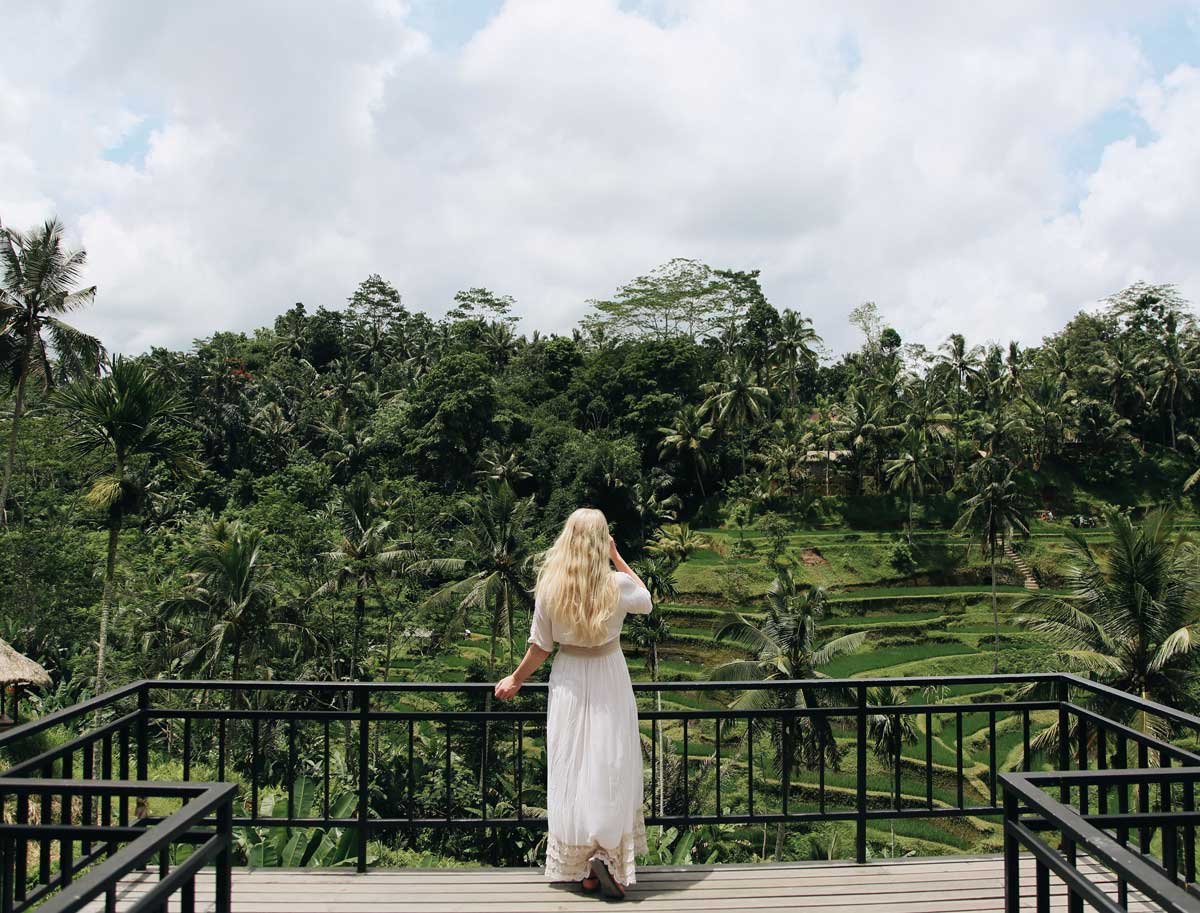
Pick Tegalalang for the classic photo and a short trip from Ubud, and Jatiluwih for a long, quiet walk. Both are working farms fed by the subak, the farmers' water cooperative that UNESCO recognised in 2012. Whatever the month, some field nearby is looking good.
Which terrace suits a short trip, and which a long walk?
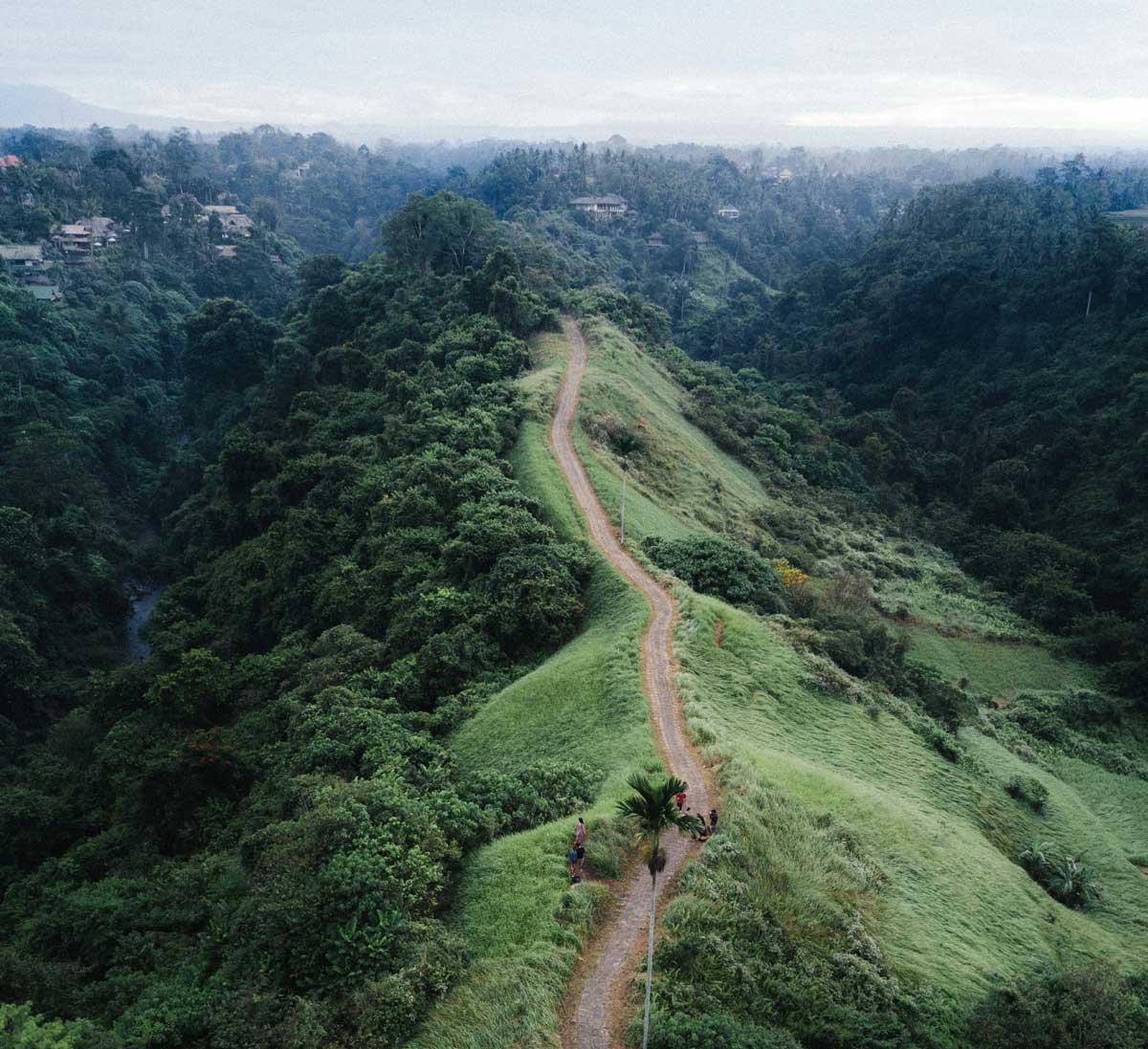
Tegalalang is about 10 to 15 minutes north of Ubud. It's a steep, narrow valley of tightly stacked paddies, and it's best early in the morning, before the swings and cafes fill up.Jatiluwih, in the western highlands, is the opposite: vast, open and quiet. It's the core of the UNESCO listing, with proper walking and cycling trails through working farmland and fewer souvenir stands. It means more driving, and you get more space in return.
What is the subak, and why did UNESCO list it?
The subak is a cooperative water management system that shares irrigation water among farmers through canals and weirs. Water temples are the focus of the system. UNESCO lists the Cultural Landscape of Bali Province, the subak system, as a World Heritage Site, inscribed in 2012. It covers five rice terraces and their water temples, over 19,500 hectares, and it reflects the Tri Hita Karana idea of harmony between spirit, people and nature. Read more on the official UNESCO page: whc.unesco.org/en/list/1194.When do the rice terraces look best?
Any month works, because different fields sit at different stages all year. Just after planting, the paddies are mirrors of water that reflect the sky. A month or two in, they turn the bright green of the postcards. Before harvest they go gold and heavy, and afterwards ducks move in to clean the stubble. The terraces are often at their greenest from January to April.What should you expect, and skip, at the terraces?
Expect crowds and extra charges at Tegalalang, especially once the morning gets going. Swings, photo nests and "I love Bali" signs charge separately, and all of them are optional. Small donations at village gates are normal, so carry small cash. If you don't like busy, touristy spots, skip Tegalalang at midday. Jatiluwih is calmer, but the drive is longer, so it isn't the one for a quick stop.Terrace visits near Tegalalang often include a coffee plantation stop. The tasting flights, a dozen small cups of coffee, cocoa and spiced tea, are usually free or nearly so. The famous luwak coffee, made from beans passed through a civet, costs extra and divides opinion on taste and animal welfare. You can skip it, and you don't have to buy anything at the shop on the way out.
Are there quieter terraces than the famous two?
Yes, terraces line many of the island's roads, and some of the best views have no name, no gate and no crowd. The Sidemen valley in the east and the Pupuan backroads in the west are full of them. Ask your driver to stop anywhere that looks good, and you may get a view to yourself somewhere between the listed stops.How do you walk the terraces respectfully?
Treat the terraces as someone's working farm, not a park. Stay on the paths and don't step into the paddies. Farmers at work make the best photos, so give a nod and a smile before the camera goes up. It costs nothing, and most people smile back.Local tip: go to Tegalalang as early as you can and leave before the swings get busy. If you want to walk and have space to yourself, pick Jatiluwih instead.
In short, go in the morning, when the air is cooler, the light is softer and there are fewer people. Wear shoes with grip if you walk down, because mud paths are slick after rain, and bring water and sun protection, since there is little shade on open terraces. Carry small cash for village gate donations and optional extras like swings, and ask before photographing farmers or other people at work. Allow extra driving time for Jatiluwih, which is further out than Tegalalang.
Frequently asked questions
Is Tegalalang worth visiting?
Yes, if you want the classic stacked-terrace view close to Ubud. Go early, because it gets busy later and the swings and cafes charge separately. If you prefer quiet, Jatiluwih is the better choice.
Is Jatiluwih worth the drive from Ubud?
It is if you want space, quiet and a proper walk. Jatiluwih sits in the western highlands, so it takes more driving than Tegalalang. Skip it if you're short on time.
Do the swings and photo spots cost extra?
Yes. Swings, photo nests and similar attractions charge separately from any entrance donation, and all of them are optional. You can enjoy the terraces without using any of them. Carry small cash for donations at village gates.
What is the best time of day to visit?
Morning is best. The air is cooler, the light is softer and there are fewer people. At Tegalalang that also means arriving before the swings and cafes fill up. Midday is hotter and busier, so it's the time to skip.
Do I have to buy anything at the coffee plantation?
No. Tasting flights are usually free or nearly so, and nobody has to buy at the shop afterwards. Luwak coffee costs extra and divides opinion on taste and animal welfare, so skipping it is fine. Saying "just the tasting, thank you" is enough.