Legong is the graceful classic, performed at Ubud Palace every night. Kecak is the fire-lit chant with no orchestra, and Barong is the story of good and evil with a lion-like creature. If you only have one evening, pick Legong if you want elegance, Kecak for drama, or Barong for a story.
How do Legong, Kecak and Barong differ?
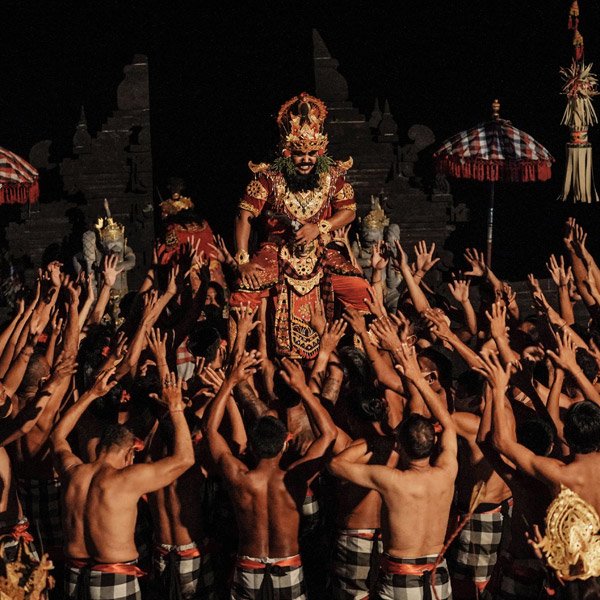
Legong is slow and precise: dancers in gold costumes, with a gamelan orchestra, moving through tiny eye and finger gestures. It's very refined. Kecak has no instruments at all: a large group of men chant "cak" in rhythm while a story from the Ramayana plays out around a flame. Barong is the folk-theatre one, with a masked lion-like guardian fighting the witch Rangda, and it's often the easiest for first-timers to follow.Where can you see each dance in Ubud?
Legong is performed at Ubud Palace every night, right in the centre, so it's the easy one to fit in after dinner. Kecak and Barong are shown at other venues around Ubud, on set days of the week. One of the most suggested Kecak shows is at Pura Dalam, on Tuesdays and Sundays at 7 PM. Show times change, so check the current schedule before you go.Which show is best for first-timers, couples and families?
First-timers often love Barong for the story and the costumes, and Legong if they want something elegant. Couples tend to pick Kecak at night, with the fire and the chanting. Families with young children may prefer Barong, because the characters are easy to follow, though Kecak can be loud and the fire may surprise little ones.What should you know before you buy a ticket?
Tickets are usually sold at the venue or by local sellers around Ubud centre, and prices are usually listed at the venue. Arrive a little early for a good seat, especially for Legong at the palace. Shows run around an hour and start in the evening. Dress simply and comfortably, and keep your phone on silent.How do you watch a show respectfully?
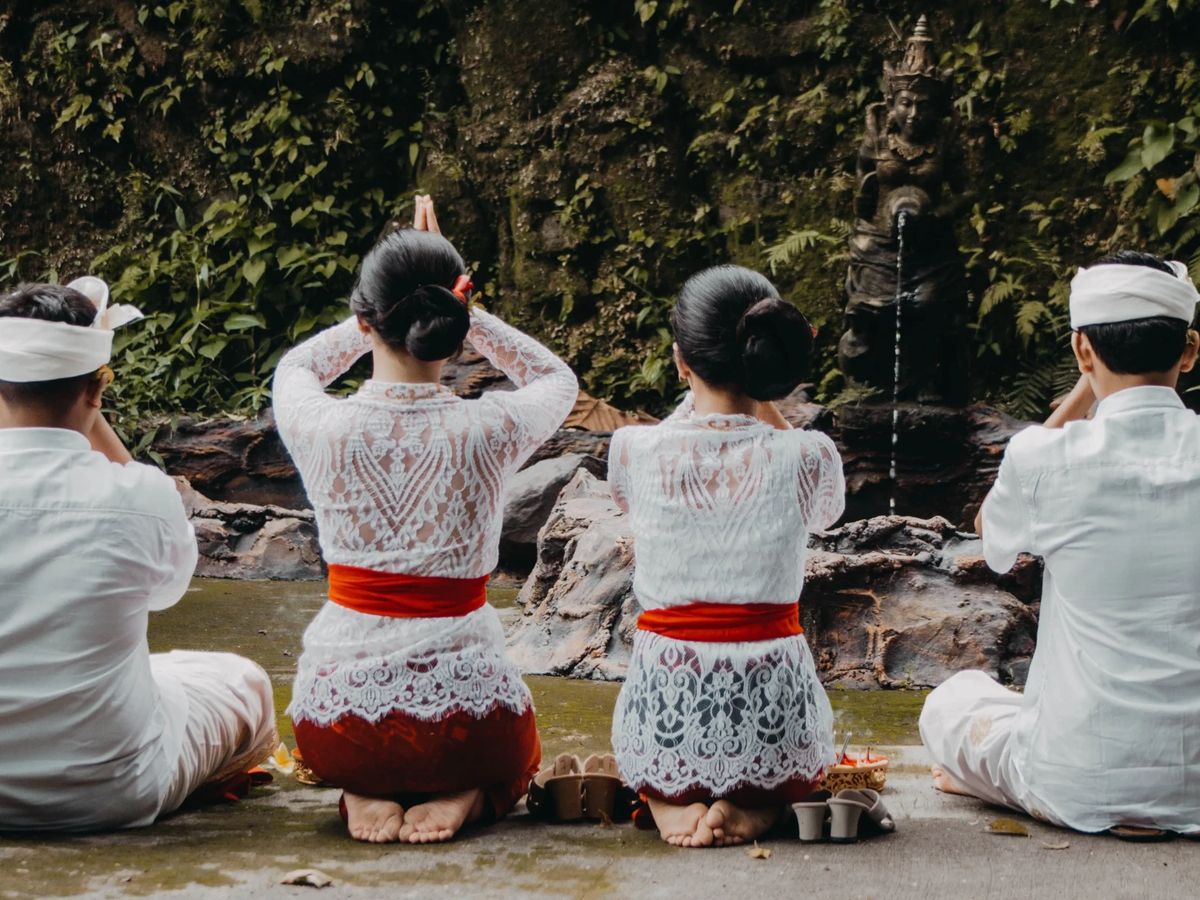
These art forms have deep roots in temple ceremonies and tell old stories, so watch quietly and don't talk through the performance. Photos are usually fine without flash, but ask if you're unsure. Don't walk in front of the stage or step on any offerings placed near it.Local tip: if you have time for only one, start with Legong at the palace. If you want to hear the harmony of the gamelan and feel the atmosphere as the music fills the room, Legong is the one to see first. If you love the unique Balinese dance costumes, Legong is full of them, and Kecak has costumes too. If you want drama, add Kecak on a second evening.
In short, check the current schedule, since days and times change, and arrive a little early for a good seat. Dress simply and comfortably, and keep your phone on silent and your photos flash-free. Don't walk in front of the stage or step on offerings. Pick one show per evening, because they run around an hour.
Frequently asked questions
Which Balinese dance is best for first-timers?
Barong is often the easiest to follow, with its story and costumes, and Legong is the elegant choice. If you only have one evening, start with Legong at Ubud Palace.
How long do the shows last?
Around an hour, usually in the evening. Arrive a little early for a good seat, and check the current schedule because days and times change.
Can I get tickets in advance?
Tickets are usually sold at the venue or by local sellers around Ubud centre. You can also book with us if you ask.
What should I wear to a Balinese dance show?
Simple, comfortable clothes are fine. Most shows are in open-air venues in the evening, so a light layer can help. Cover your shoulders and knees if the show is at a temple.
Are Balinese dance shows suitable for children?
Often yes. Barong is the easiest for kids to follow, while Kecak can be loud and the fire may surprise little ones. Legong is quiet and graceful, but a full hour can feel long for very young children.